About Me
Ecologist, ant researcher, and artist obsessed with tiny survival stories.
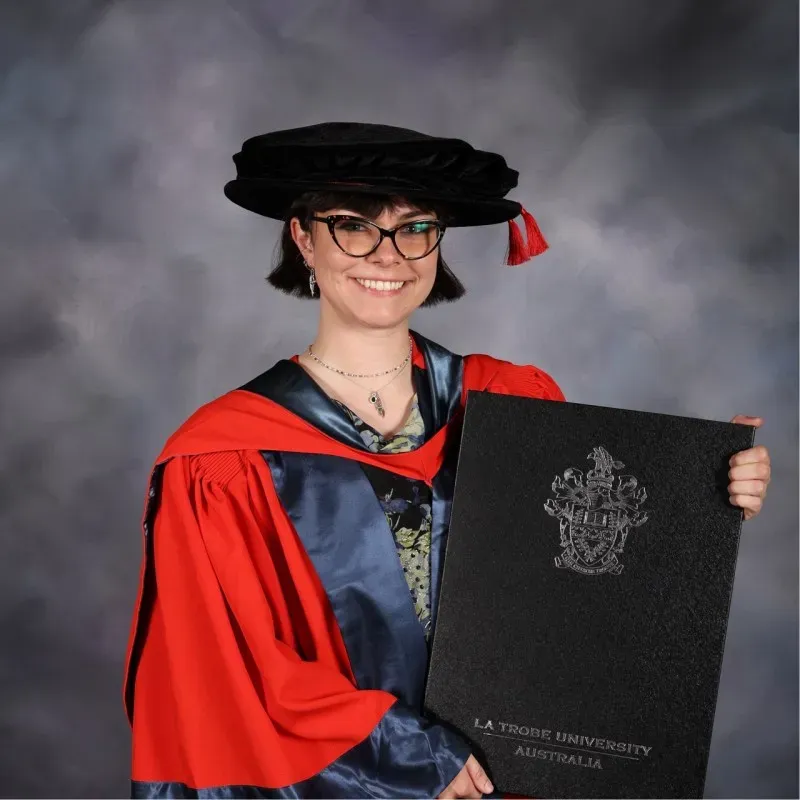
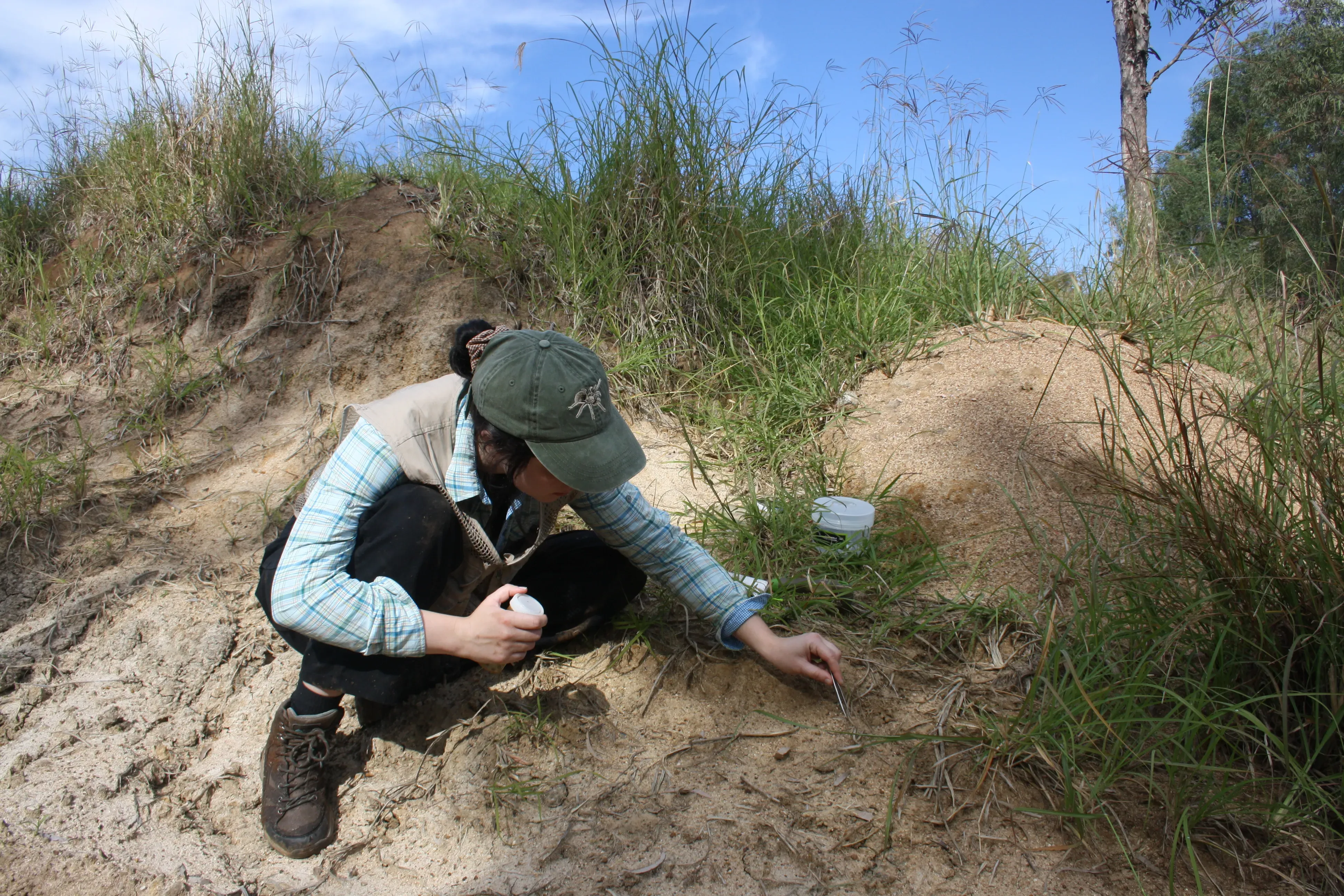
I'm Dr. Hannah, an ecologist and ant researcher obsessed with one deceptively simple question: how do tiny animals survive in a big, hazardous world? I use fieldwork, lab experiments, and Bayesian models to study the evolutionary ecology of ants—especially how worker lifespan, body size, and colony organization shape survival strategies across different environments. I'm interested in the mechanics of survival and resource allocation, but also in the bigger picture: how individual lives scale up into colony and community patterns.
My Story
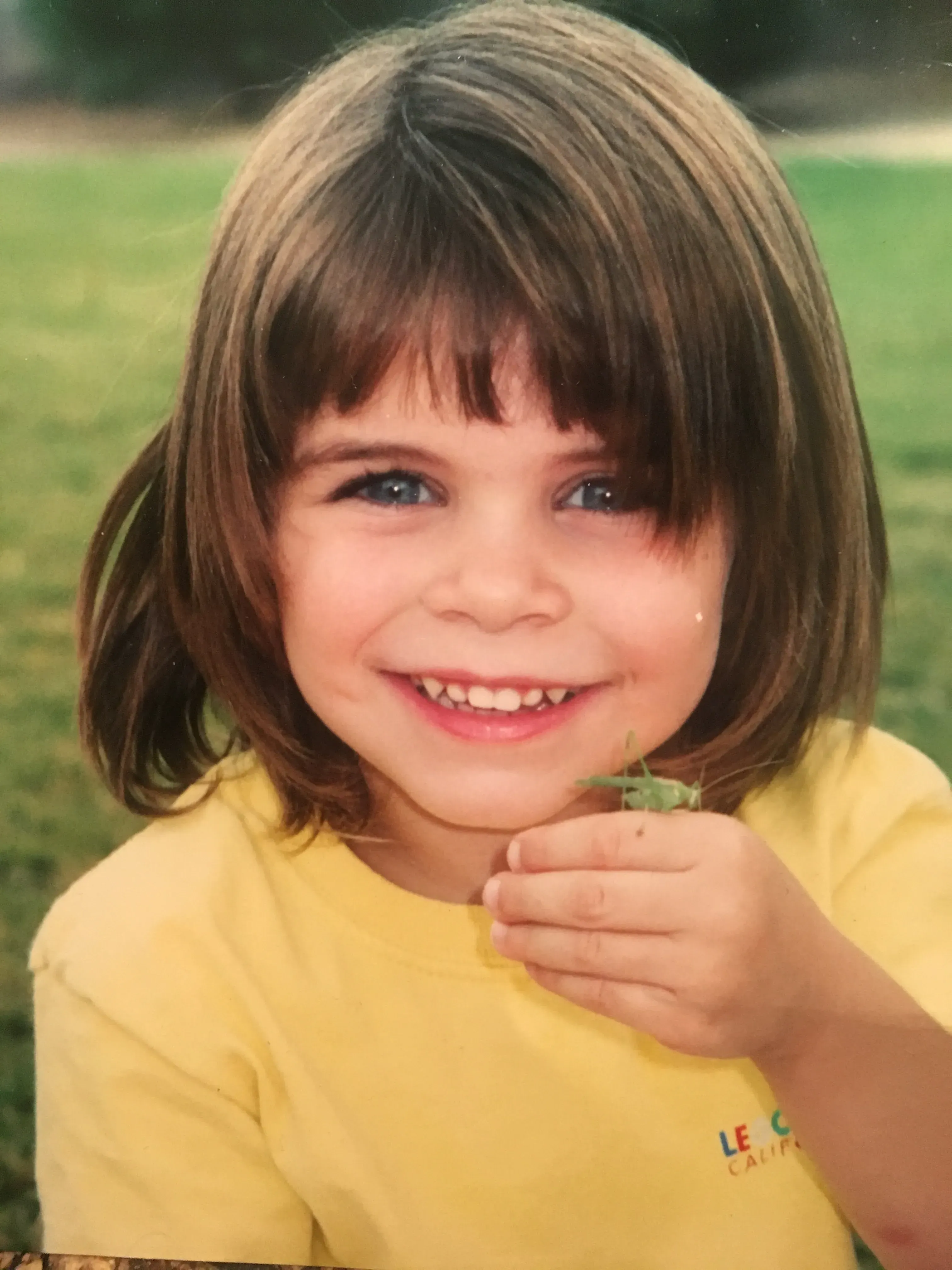
I grew up in Phoenix, Arizona—warm and wet out of the womb with an immediate passion for all things hexapoda. I was the kid who noticed the ants before the adults noticed the sidewalk, and that tendency never really left. I started out studying ground- and tree-dwelling arthropods in the Southwestern US, including how community structure changes in pinyon-juniper woodlands. I completed my MS in 2021, and later in 2021, I flew all the way to Australia and dove headfirst into ants.
My PhD focused on ant workers—how long they survive in the real world, why body size matters, and what colony organization has to do with it. I combine field experiments and controlled lab assays with hierarchical and state-space modelling to make sense of survival, nutritional ecology, and the tradeoffs colonies make across environments.
Art & Outreach
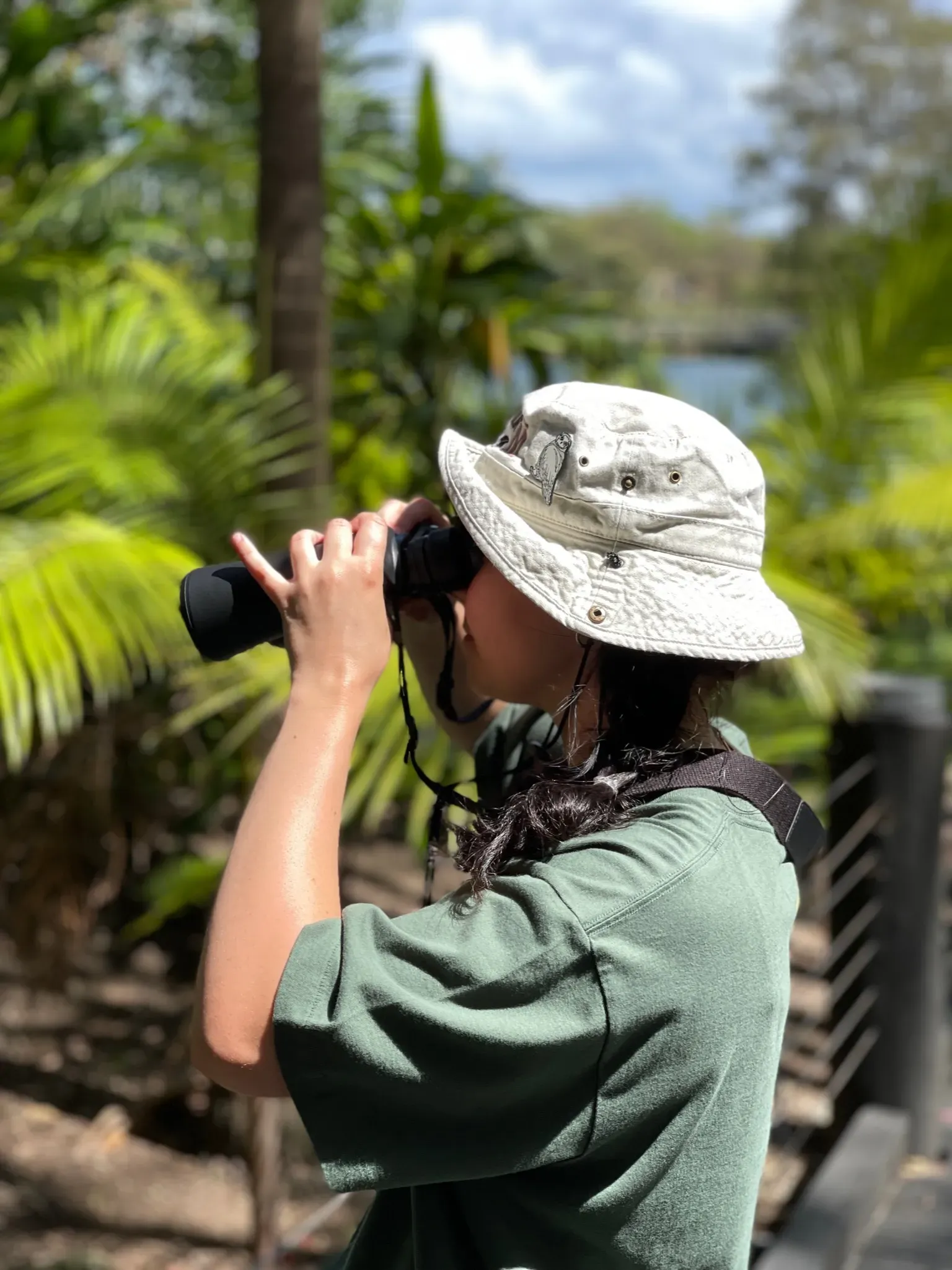
Alongside the research, I'm building a public-facing ecology life. I do science outreach through art, talks, and humor—because facts land differently when people feel invited in. My illustrations are insect and nature cartoons that start in ballpoint and pencil, then move into Procreate for linework, color, and detail. I love using humor and everyday observation to make ecology feel more human, more accessible, and a lot more fun.
Right now, the world is a scary, exhausting place, and it's easy to get numb or disconnected—from each other, from our communities, and from the living systems holding us up. Paying attention to the "small" things is one way we can resist that. Insects and ecosystems teach us about survival, interdependence, and how much of life runs on overlooked labor. They also remind me that what we ignore, we tend to devalue—whether that's tiny creatures under our feet or people pushed to the margins. Learning to notice is a kind of practice. Noticing becomes care. Care becomes something you can build a life, and a community, around.
Know Thy Neighbor
In the near future, I'm launching a series called Know Thy Neighbor. We want to travel to different communities across the US and get to know the small lives around us—the "neighbors" most people never learn to name. We'll look at local insects and arthropods, the ecosystems they hold together, and how place, history, and environmental inequality shape what kinds of nature people get to live with.
It's part field guide, part storytelling, part gentle protest against the idea that nature is somewhere else. The goal is connection: to help people recognize the life around them, talk to each other, and build a little more care for where they live and who they share it with.